

Recently, we had the privilege of hosting our long-time friend Betül Tunç (of Turkuaz Kitchen) here at the farm. She is an inspiration. After mulling over what to cook with her, our Ballerina Farm lasagna seemed the perfect answer. Made with ingredients sourced almost exclusively from our farm, it’s a fresh yet wholly comforting dish that comes to the table bubbling and golden. With Betül, we made the entire dish from scratch as a labor of love that is worth every second. Our recommendation is to prepare the lasagna noodle dough the night before (as it requires an overnight rest). Then, while the ragu simmers at the stove becoming more delicious with each passing hour, make the mozzarella and ricotta. Said with full confidence, this lasagna will be the best you ever eat.
Yield: 1 pan lasagna | Prep Time: 2 hours 35 minutes | Rest Time: 9 hours 30 minutes | Cook Time: 5 hours 20 minutes
Ingredients
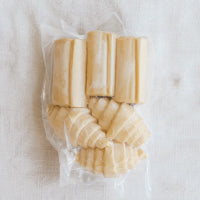
Sourdough Lasagna Noodles
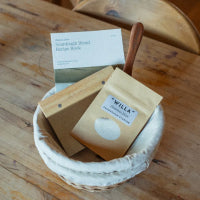
- 1 cup sourdough starter or discard
- 3 cups 00 flour, plus more as needed
- 4 eggs
Ragu Sauce (Inspired by Ballymaloe Cookery School)
- 6 tablespoons butter, salted or unsalted
- 7 tablespoons extra-virgin olive oil
- ¼ cup chopped yellow onion
- ¼ cup chopped celery
- ¼ cup chopped carrot
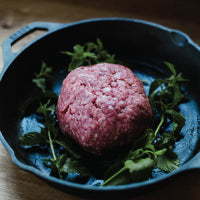
- 2 pounds ground beef
- ½ cup dry cooking wine
- 1 cup whole milk
- ¼ teaspoon ground nutmeg
- 1 (28-ounce) can chopped tomatoes
Fresh Mozzarella
- 1 gallon whole milk
- 1 ½ teaspoons citric acid, dissolved in ½ cup cool water
- ¼ teaspoon rennet, dissolved in ¼ cup water (or amount of water specified by the rennet manufacturer’s instructions for 1 gallon milk)
- ¼ cup cheese salt
Fresh Ricotta (Inspired by Ballymaloe Cookery School)
- 10 cups whole milk
- 1 cup heavy cream
- 4 ½ cups liquid whey
- ½ teaspoon kosher salt
- 2 ½ tablespoons lemon juice, freshly squeezed
Lasagna Assembly
- Fresh basil
- Extra-virgin olive oil
Directions
Sourdough Lasagna Noodles
- To a large bowl, add the sourdough starter followed by the flour. Use a large fork to create a well in the center of the flour and add the eggs to it. Use the fork to beat the eggs in the well and then gradually combine with the flour and starter.
- When shaggy clumps begin to form, swap the fork for hands and knead the mixture until a smooth and elastic dough comes together, 5 to 10 minutes. Add more flour in small increments if the dough is sticky.
- Form the dough into a ball and flatten into a thick disk. Wrap in plastic and let rest in the refrigerator for 8 hours or overnight.
- Divide the dough into manageable portions. Roll each portion into thin sheets, no thicker than ⅛-inch, using a pasta roller or rolling pin.
- Slice the sheets of pasta into lasagna noodles approximately 3- to 5-inches wide and long enough to fit your baking dish.
- Use the noodles immediately, or leave them out for 20 to 30 minutes to dry slightly.
Ragu Sauce
- Heat the butter and oil in an enamel pot or large cast-iron skillet with high sides. Sauté the onion over medium heat until translucent. Add the celery and carrot and cook for about 2 minutes until beginning to soften.
- Add the beef and salt. Cook, crumbling the beef, until still pink but no longer red. Do not overcook.
- Add the wine and increase the heat to medium-high. Stirring occasionally, cook until the wine is evaporated. Reduce the heat to medium, then add the milk and nutmeg. Once again, cook until the milk has mostly evaporated.
- Pour in the can of tomatoes (with their juices) and give the ragu a good stir. Bring to a bare simmer, then reduce the heat to its lowest possible setting.
- Cook the sauce, uncovered, for 1 ½ to 3 hours. At most, the ragu should gently simmer. If the liquid reduces too much, add a bit of water.
- Taste the sauce and add any seasoning you like before using or serving.
Fresh Mozzarella
- Warm the milk to 60 degrees Fahrenheit (15 degrees Celsius) in a large pot over medium-low heat. Immediately add the diluted citric acid, stirring constantly.
- Continue stirring while warming the milk to 90 degrees Fahrenheit (32 degrees Celsius). Remove the pot from the heat.
- Stir in the diluted rennet for about 30 seconds, then cover the pot with a lid or clean linen towel and let rest undisturbed until the curd develops, about 15 to 30 minutes. When ready, the curd will pull away from the sides of the pot when gently jiggled.
- Using a knife, cut the curds into ½-inch cubes. Make sure the knife reaches the bottom of the pot when slicing.
- Return the pot to medium-low heat and gently stir the curds while heating to 110 degrees Fahrenheit (43 degrees Celsius).
- Remove the pot from heat and continue stirring for 2 to 5 minutes to further develop the curds and encourage them to expel whey. Stir for closer to 2 minutes for a higher moisture cheese, and closer to 5 minutes for a firmer cheese.
- Return the pot to medium-low heat and add the cheese salt. Wearing gloves (the cheese will be very hot), begin shaping the curds by gently stretching them. Stretch only until the cheese begins to break.
- Return the cheese and whey to medium-low heat and continue heating until the whey reaches 175 degrees Fahrenheit (79 degrees Celsius)—do not exceed this temperature.
- Place the cheese in the hot whey just long enough to soften, then stretch again. Do not leave the cheese in the hot whey for too long, or it may begin to melt.
- Repeat this process, continuing to stretch the cheese until it reaches your desired consistency and shine.
- Cool the cheese in ice-cold water. Use immediately, or store the mozzarella in a simple brine of 1 tablespoon kosher salt dissolved into 1 quart cool water for up to 3 days.
Fresh Ricotta
- Line a sieve or a ricotta mould with cheesecloth.
- Into a saucepan, add milk, cream, whey, and salt. Bring to a slow boil, stirring occasionally with a wooden spoon.
- When the milk reaches a consistent boil, reduce the heat to low, add lemon juice, and stir continuously until the milk curdles.
- Pour the mixture into the prepared sieve or moulds and let the mixture drain for about 1 hour. Transfer the strained cheese to an airtight container. Use immediately, or keep in the fridge for up to 3 days.
Lasagna Assembly & Baking
- Bring a large pot of water to a boil and preheat the oven to 400 degrees Fahrenheit (204 degrees Celsius).
- Boil the lasagna noodles for 2 to 4 minutes until barely al-dente. Set aside, keeping the noodles in a single layer to prevent sticking.
- Grate or slice the mozzarella and set aside.
- Add a thin layer of meat sauce to the bottom of a baking dish. Add a single layer of lasagna noodles, then top with a layer of ricotta, followed by mozzarella and the meat sauce. Continue layering with lasagna noodles, ricotta, mozzarella, and meat sauce until the baking dish is nearly full. Add a final layer of lasagna noodles, then top with ricotta, mozzarella, several leaves of basil, and a drizzle of olive oil.
- Transfer to the oven and bake for 35 to 45 minutes, or until the lasagna is golden and bubbly.